
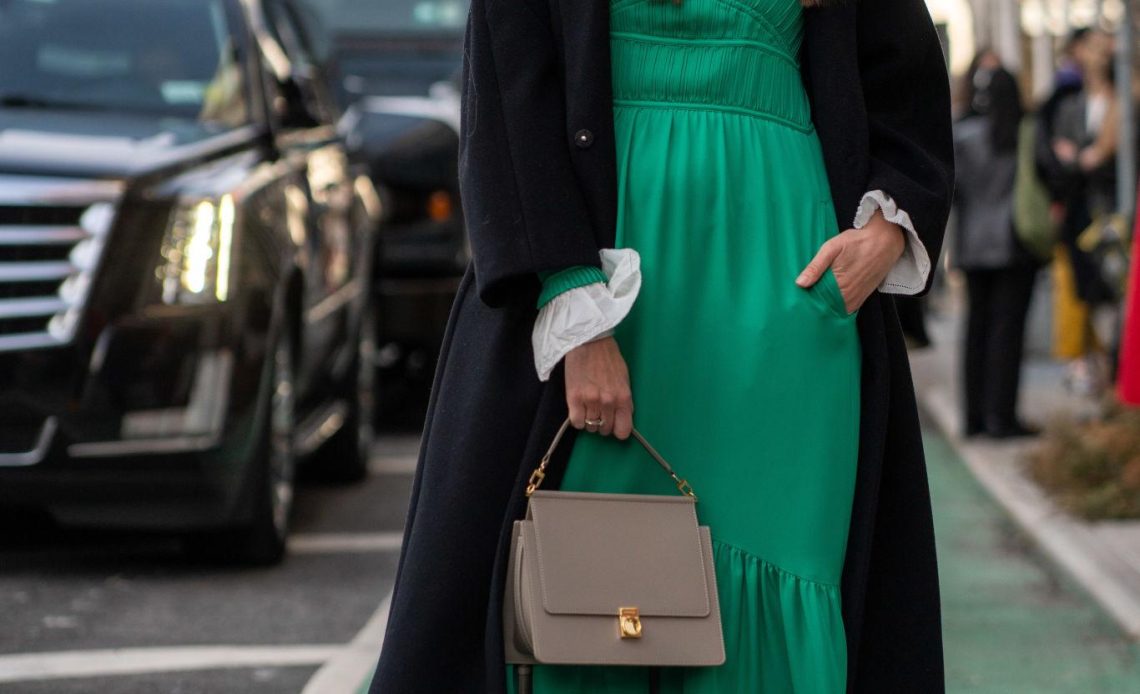
Street fashion has evolved from a subcultural expression into one of the strongest forces shaping modern lifestyle trends. Once associated primarily with youth movements in major cities, it now influences how people dress, socialize, shop, travel, and even organize their daily routines. Street fashion reflects authenticity, comfort, creativity, and cultural awareness, making it one of the most relatable style movements in contemporary society.
Today, street-inspired lifestyle choices go beyond clothing. They shape attitudes toward individuality, community participation, sustainability, and digital identity. As urban culture continues to expand globally, street fashion remains a powerful driver of lifestyle transformation.
The Rise of Street Fashion as a Cultural Influence
Street fashion began as a grassroots expression shaped by music scenes, skateboarding communities, hip-hop culture, and city life. Unlike traditional fashion, which often followed runway direction, street fashion grew organically through everyday experiences.
Its popularity increased because it offered:
- Accessibility
- Personal freedom
- Cultural authenticity
- Practical comfort
- Creative experimentation
As these values resonated with younger generations, street fashion gradually moved from niche communities into mainstream lifestyle culture. Today, it influences wardrobes across age groups and professional backgrounds.
Street fashion represents real-world creativity rather than formal fashion authority.
Comfort as a Lifestyle Priority
One of the most noticeable lifestyle trends inspired by street fashion is the shift toward comfort-driven clothing. People increasingly choose outfits that support mobility, flexibility, and long daily schedules.
This shift includes the popularity of:
- Sneakers instead of formal footwear
- Oversized silhouettes
- Breathable fabrics
- Relaxed layering combinations
- Athleisure-inspired outfits
Comfort is no longer viewed as casual or informal. Instead, it is considered essential to modern productivity and well-being. Street fashion helped normalize this transition by showing that comfort and style can coexist successfully.
Sneaker Culture and Everyday Mobility
Sneakers are one of the most recognizable elements of street fashion influence. Once reserved for sports and leisure, they now serve as everyday essentials across social and professional environments.
Sneaker culture has inspired lifestyle changes such as:
- Walking-friendly commuting habits
- Collecting limited-edition footwear
- Styling outfits around footwear choices
- Supporting independent sneaker brands
- Participating in resale marketplaces
Sneakers symbolize movement, flexibility, and individuality. Their rise reflects how urban lifestyles prioritize practicality without sacrificing identity.
Oversized Silhouettes and Relaxed Identity Expression
Oversized clothing has become one of the defining characteristics of street fashion-inspired living. Loose fits reflect comfort, confidence, and a shift away from restrictive fashion expectations.
Popular oversized wardrobe pieces include:
- Hoodies
- Cargo pants
- Relaxed denim
- Graphic tees
- Lightweight jackets
These silhouettes encourage freedom of movement while supporting expressive styling. They also challenge traditional ideas about structured clothing, allowing individuals to dress according to preference rather than expectation.
This change reflects a broader cultural movement toward personal comfort and authenticity.
Graphic Messaging as Everyday Expression
Street fashion introduced graphic messaging into everyday wardrobes. Clothing now acts as a platform for storytelling, creativity, and social commentary.
Graphic apparel often communicates:
- Personal beliefs
- Cultural references
- Artistic interests
- Humor
- Community identity
Instead of remaining purely decorative, clothing now carries meaning. Many people intentionally select graphic elements that represent their values or experiences.
This trend highlights how fashion supports visual communication in modern lifestyles.
Layering as a Functional Styling Strategy
Layering is one of the most practical lifestyle techniques inspired by street fashion. It allows individuals to adapt their outfits to changing environments while maintaining stylistic flexibility.
Layering encourages:
- Seasonal adaptability
- Creative outfit combinations
- Efficient wardrobe use
- Visual depth in styling
- Comfort throughout the day
Street fashion made layering a creative process rather than a seasonal necessity. People now experiment with proportions, textures, and colors to personalize their appearance.
Layering supports both function and expression.
Street Fashion and Digital Identity
Modern street fashion thrives in digital environments. Social platforms have become spaces where individuals document their outfits and discover new styling inspiration.
Digital participation includes:
- Daily outfit sharing
- Street photography culture
- Style-focused content creation
- Online thrift shopping
- Community trend discussions
Street fashion encourages people to treat clothing as part of their public identity online. This visibility strengthens connections between physical appearance and digital presence.
Lifestyle habits now include curating visual identity across platforms as part of everyday expression.
Sustainable Choices Influenced by Streetwear Culture
Street fashion communities played an early role in promoting resale markets and vintage styling. These practices helped introduce sustainability into mainstream lifestyle culture.
Sustainable habits influenced by street fashion include:
- Buying secondhand clothing
- Reworking vintage pieces
- Supporting independent designers
- Reducing fast-fashion consumption
- Trading clothing within communities
Street fashion emphasizes originality, which naturally supports reuse rather than mass production. Many individuals now value unique items more than identical retail collections.
This shift strengthens long-term awareness of responsible consumption.
Street Fashion and Music Culture Connections
Music scenes continue to shape street fashion lifestyle trends. Genres such as hip-hop, electronic music, indie rock, and alternative culture influence how people dress and socialize.
Music-inspired styling often includes:
- Statement jackets
- Bold accessories
- Experimental layering
- Retro-inspired pieces
- Logo-centered outfits
Concert culture and festival environments also encourage expressive dressing. These experiences strengthen the connection between music identity and everyday fashion choices.
Street fashion thrives where sound and style intersect.
Urban Mobility and Functional Clothing
Street fashion supports movement across cities. Clothing inspired by this style often reflects commuting habits, active schedules, and outdoor interaction.
Functional urban wardrobe features include:
- Crossbody bags
- Lightweight jackets
- Durable sneakers
- Cargo pockets
- Weather-adaptive layering
These practical elements allow people to transition smoothly between work, travel, and social activities throughout the day.
Street fashion encourages clothing that supports lifestyle efficiency.
Gender-Neutral Styling Approaches
Street fashion helped normalize gender-neutral clothing choices. Many individuals now select garments based on comfort and expression rather than traditional gender expectations.
Examples of gender-neutral styling trends include:
- Oversized hoodies
- Relaxed trousers
- Neutral color palettes
- Shared sneaker styles
- Minimalist outerwear
This shift supports inclusivity and flexibility in personal style decisions. Street fashion communities often lead cultural acceptance of diverse identity expression through clothing.
Lifestyle culture increasingly values adaptability over rigid definitions.
Accessories as Lifestyle Essentials
Accessories play a central role in street fashion-inspired living. Instead of acting as optional additions, they contribute to both function and identity.
Popular street-style accessories include:
- Baseball caps
- Tote bags
- Crossbody bags
- Sunglasses
- Minimal jewelry
These items allow individuals to adjust their appearance without changing entire outfits. Accessories also support practicality in fast-paced environments.
Street fashion encourages thoughtful accessory choices that balance usefulness and creativity.
Vintage Revival and Thrift Culture Expansion
Street fashion contributed significantly to the popularity of vintage clothing. Many people now seek unique garments that reflect personal discovery rather than mass production.
Vintage culture supports lifestyle habits such as:
- Exploring thrift stores
- Reusing older garments creatively
- Mixing past and present aesthetics
- Supporting circular fashion practices
- Developing personal styling skills
Vintage styling strengthens originality because each piece carries history and individuality.
Street fashion celebrates uniqueness rather than uniformity.
Creative Confidence Through Everyday Styling
Street fashion empowers individuals to experiment with their appearance without needing formal fashion training. Everyday environments now function as spaces for creative expression.
This confidence encourages people to:
- Combine unexpected textures
- Try bold color palettes
- Personalize classic silhouettes
- Adapt trends creatively
- Express mood through clothing
Lifestyle culture benefits from this experimentation because it encourages authenticity instead of imitation.
Street fashion supports creative independence in daily life.
Community Influence and Shared Inspiration
Street fashion thrives through collaboration and observation. People learn styling techniques by watching others in public spaces, online communities, and creative neighborhoods.
Community participation includes:
- Sharing outfit inspiration
- Supporting local designers
- Participating in pop-up markets
- Attending cultural events
- Exploring street photography scenes
These interactions strengthen connections between individuals who share similar interests in fashion and creativity.
Street fashion builds lifestyle communities through shared visual language.
Conclusion
Lifestyle trends inspired by street fashion reflect a broader cultural movement toward comfort, authenticity, creativity, and adaptability. From sneaker culture and layering techniques to sustainability awareness and gender-neutral styling, street fashion continues to reshape how people approach clothing and daily living.
Its influence reaches far beyond appearance. Street fashion encourages mobility, strengthens community interaction, supports environmental responsibility, and helps individuals express identity confidently.
As cities continue to shape cultural innovation, street fashion will remain one of the most powerful forces guiding modern lifestyle evolution.
Frequently Asked Questions
How does street fashion influence travel habits?
Street fashion encourages practical wardrobe choices such as sneakers, lightweight jackets, and crossbody bags, which support comfortable movement during travel and urban exploration.
Why do creative professionals often follow street fashion trends?
Creative industries value originality and visual storytelling. Street fashion supports both by encouraging experimentation and expressive styling choices.
How does street fashion affect shopping behavior?
Many people influenced by street fashion prefer thrift stores, resale platforms, and independent labels rather than traditional retail chains.
Can street fashion adapt to formal environments?
Yes. Elements such as structured sneakers, minimalist jackets, and neutral layering pieces can be styled to suit professional settings.
Why are neutral color palettes popular in street fashion?
Neutral tones allow easy outfit mixing and layering, making them practical for busy lifestyles that require flexible wardrobe combinations.
How does street fashion support seasonal adaptability?
Layering techniques and versatile outerwear allow individuals to adjust their outfits quickly as temperatures change throughout the day.
What role does photography play in street fashion culture?
Street photography documents real-life styling inspiration and helps individuals discover new outfit ideas from everyday urban environments.