
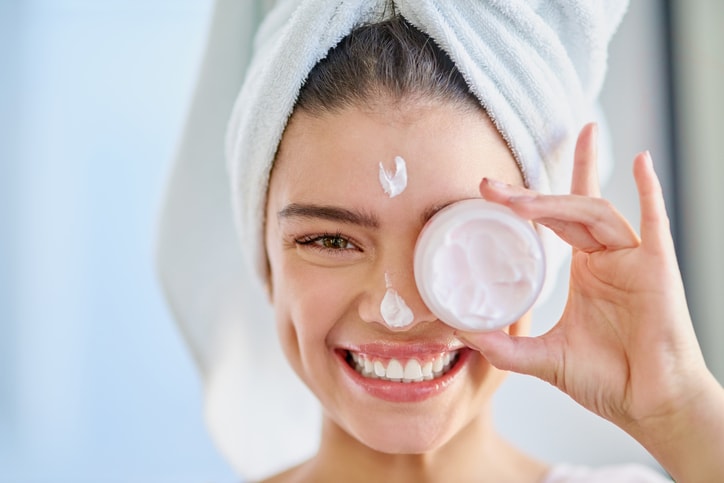
Understanding your skin type is one of the most important steps in building an effective skincare and beauty routine. Many people invest in products without recognizing whether those products actually match their skin’s needs. As a result, they often experience irritation, dryness, excess oil, or breakouts that could be avoided with a more personalized approach.
Different skin types respond differently to ingredients, textures, and routines. Learning how to care for your specific skin type helps maintain balance, improve appearance, and support long-term skin health. With the right strategies, anyone can develop a skincare routine that enhances natural beauty rather than complicating it.
Why Identifying Your Skin Type Matters
Skin type determines how your skin produces oil, retains moisture, and reacts to environmental factors. Using products designed for the wrong skin type can lead to unnecessary concerns such as clogged pores, flaking, redness, or uneven tone.
Knowing your skin type helps you:
- Select effective skincare products
- Prevent irritation and breakouts
- Maintain hydration balance
- Improve makeup performance
- Protect long-term skin health
Once you identify your skin type, it becomes easier to build a consistent and efficient routine.
The Main Skin Types Explained
Most people fall into one of five common skin categories. Some individuals may also experience seasonal or lifestyle changes that temporarily affect their skin behavior.
The primary skin types include:
- Normal skin
- Oily skin
- Dry skin
- Combination skin
- Sensitive skin
Each type requires slightly different care strategies to maintain comfort and balance.
Skincare Tips for Normal Skin
Normal skin is generally balanced. It produces enough natural oil to stay hydrated without appearing greasy or dry. People with this skin type often have fewer concerns but still benefit from consistent care.
Helpful tips for normal skin include:
- Use gentle cleansers that maintain natural moisture
- Apply lightweight moisturizers daily
- Protect skin with sunscreen every morning
- Add antioxidants such as vitamin C serums
- Avoid overusing strong exfoliants
Maintaining balance is the goal. Even normal skin can become sensitive if over-treated.
Beauty Routine Suggestions for Normal Skin
People with normal skin can explore a wider range of makeup textures because their skin adapts easily.
Recommended options include:
- Lightweight foundations
- Cream blush products
- Hydrating primers
- Soft highlighters
- Neutral setting powders
These products enhance natural features without overwhelming the skin.
Skincare Tips for Oily Skin
Oily skin produces excess sebum, which can lead to shine and clogged pores. However, natural oil also helps protect skin from premature dryness and environmental stress.
Effective care strategies for oily skin include:
- Using gel-based cleansers
- Applying oil-free moisturizers
- Choosing non-comedogenic products
- Incorporating salicylic acid treatments
- Using clay masks weekly
Contrary to common belief, oily skin still needs hydration. Skipping moisturizer often increases oil production instead of reducing it.
Beauty Routine Suggestions for Oily Skin
Makeup routines for oily skin benefit from lightweight textures that control shine while maintaining comfort.
Recommended products include:
- Matte primers
- Oil-free foundations
- Setting powders for the T-zone
- Waterproof mascara
- Long-wear eyeliners
These products help maintain a fresh appearance throughout the day.
Skincare Tips for Dry Skin
Dry skin lacks sufficient moisture and may feel tight, rough, or flaky. Hydration becomes the primary focus when caring for this skin type.
Helpful strategies for dry skin include:
- Using cream-based cleansers
- Applying rich moisturizers twice daily
- Choosing hydrating serums with hyaluronic acid
- Limiting hot water exposure
- Adding facial oils when needed
Consistency plays a major role in improving dry skin comfort.
Beauty Routine Suggestions for Dry Skin
Makeup products for dry skin should support hydration rather than emphasize texture.
Recommended options include:
- Cream foundations
- Hydrating primers
- Liquid highlighters
- Cream blush formulas
- Dewy setting sprays
These textures create smoother results and prevent makeup from settling into dry areas.
Skincare Tips for Combination Skin
Combination skin includes both oily and dry areas, typically with oil concentration in the forehead, nose, and chin. This skin type requires balanced treatment rather than a single-product solution.
Effective care strategies include:
- Using gentle cleansers
- Applying lightweight moisturizers overall
- Targeting oily areas with mattifying products
- Hydrating dry zones separately
- Using multi-masking techniques weekly
Combination skin benefits from flexible routines rather than rigid product choices.
Beauty Routine Suggestions for Combination Skin
Makeup for combination skin should address different facial zones carefully.
Helpful techniques include:
- Applying matte primer to the T-zone
- Using hydrating primer on cheeks
- Choosing medium-coverage foundation
- Setting only oil-prone areas with powder
- Using cream products on dry areas
These adjustments create a balanced finish across the face.
Skincare Tips for Sensitive Skin
Sensitive skin reacts easily to environmental stress, fragrances, and harsh ingredients. People with this skin type often experience redness, irritation, or discomfort.
Supportive skincare habits include:
- Choosing fragrance-free products
- Avoiding strong exfoliants
- Using soothing ingredients like aloe
- Testing products before full use
- Keeping routines simple and consistent
Reducing irritation helps strengthen the skin barrier over time.
Beauty Routine Suggestions for Sensitive Skin
Makeup products should support comfort while minimizing irritation risk.
Recommended choices include:
- Mineral-based foundations
- Hypoallergenic mascaras
- Lightweight concealers
- Gentle setting sprays
- Neutral-toned blush products
These selections help maintain a calm skin appearance.
The Role of Cleansing in Every Skin Type
Cleansing removes dirt, oil, and environmental pollutants that accumulate throughout the day. However, the type of cleanser used should match your skin’s needs.
General cleansing tips include:
- Cleansing twice daily
- Avoiding harsh scrubbing
- Choosing appropriate formulas for skin type
- Using lukewarm water instead of hot water
- Removing makeup before bedtime
Proper cleansing supports overall skin health regardless of skin category.
Why Moisturizing Is Essential for All Skin Types
Moisturizing helps maintain the skin barrier and protects against environmental stress. Even oily skin requires hydration to remain balanced.
Benefits of moisturizing include:
- Preventing water loss
- Supporting skin elasticity
- Improving makeup application
- Reducing irritation risk
- Strengthening protective layers
Selecting the right texture ensures comfort without clogging pores.
The Importance of Sun Protection
Sun exposure affects every skin type. Daily sunscreen use protects against premature aging, uneven tone, and environmental damage.
Effective sun protection habits include:
- Applying sunscreen each morning
- Reapplying during outdoor exposure
- Choosing broad-spectrum formulas
- Wearing protective accessories when necessary
- Combining sunscreen with moisturizers when appropriate
Consistent protection supports long-term skin appearance.
Exfoliation Tips Based on Skin Type
Exfoliation removes dead skin cells that can dull complexion and block pores. However, frequency and method should match skin sensitivity.
Helpful exfoliation guidance includes:
Oily skin benefits from regular exfoliation
Dry skin requires gentle exfoliation
Combination skin benefits from targeted exfoliation
Sensitive skin should exfoliate carefully
Normal skin tolerates moderate exfoliation
Balanced exfoliation improves texture without causing irritation.
Lifestyle Habits That Support Healthy Skin
Skincare routines work best when combined with healthy lifestyle habits. Daily choices influence how skin responds to products and environmental exposure.
Supportive habits include:
- Drinking enough water
- Maintaining consistent sleep patterns
- Managing stress levels
- Eating nutrient-rich foods
- Avoiding excessive sun exposure
These habits strengthen skin resilience over time.
Choosing Products Based on Seasonal Changes
Skin behavior often shifts depending on climate conditions. Adjusting routines seasonally helps maintain comfort year-round.
Examples include:
Using richer moisturizers during colder months
Switching to lighter textures during warmer weather
Increasing sunscreen use in summer
Adding hydrating serums during dry seasons
Reducing exfoliation frequency when skin becomes sensitive
Seasonal flexibility improves skincare effectiveness.
Building a Simple Daily Skincare Routine
A consistent routine supports healthy skin more effectively than frequent product changes.
A practical routine includes:
Morning cleansing
Moisturizing
Applying sunscreen
Evening cleansing
Applying treatment products
Moisturizing again
Consistency creates visible improvements over time.
Conclusion
Caring for your skin begins with understanding its unique characteristics. Whether your skin is normal, oily, dry, combination, or sensitive, choosing appropriate products and maintaining consistent routines helps preserve balance and comfort.
Skincare does not require complicated steps or excessive product use. Instead, thoughtful routines supported by hydration, protection, and gentle treatment create long-term improvements in appearance and health.
By adapting your beauty habits to match your skin type, you create a foundation for lasting confidence and natural radiance.
Frequently Asked Questions
How can someone determine their skin type at home
Observe how your skin feels a few hours after cleansing without applying products. Shine usually indicates oiliness, tightness suggests dryness, and mixed areas indicate combination skin.
Can skin type change over time
Yes. Age, climate, hormones, and lifestyle habits can influence how your skin behaves.
Is it necessary to change skincare products with age
Yes. Skin gradually loses moisture and elasticity, so routines should adapt to changing needs.
How long does it take to see results from a new skincare routine
Most people notice improvements within four to six weeks when using products consistently.
Should people with acne avoid moisturizers
No. Proper hydration helps balance oil production and supports healing.
Can sensitive skin benefit from exfoliation
Yes. Gentle exfoliation helps remove buildup, but it should be done less frequently and with mild formulas.
Is using multiple skincare products at once more effective
Not always. A simple routine with the right products often produces better results than using too many products simultaneously.