

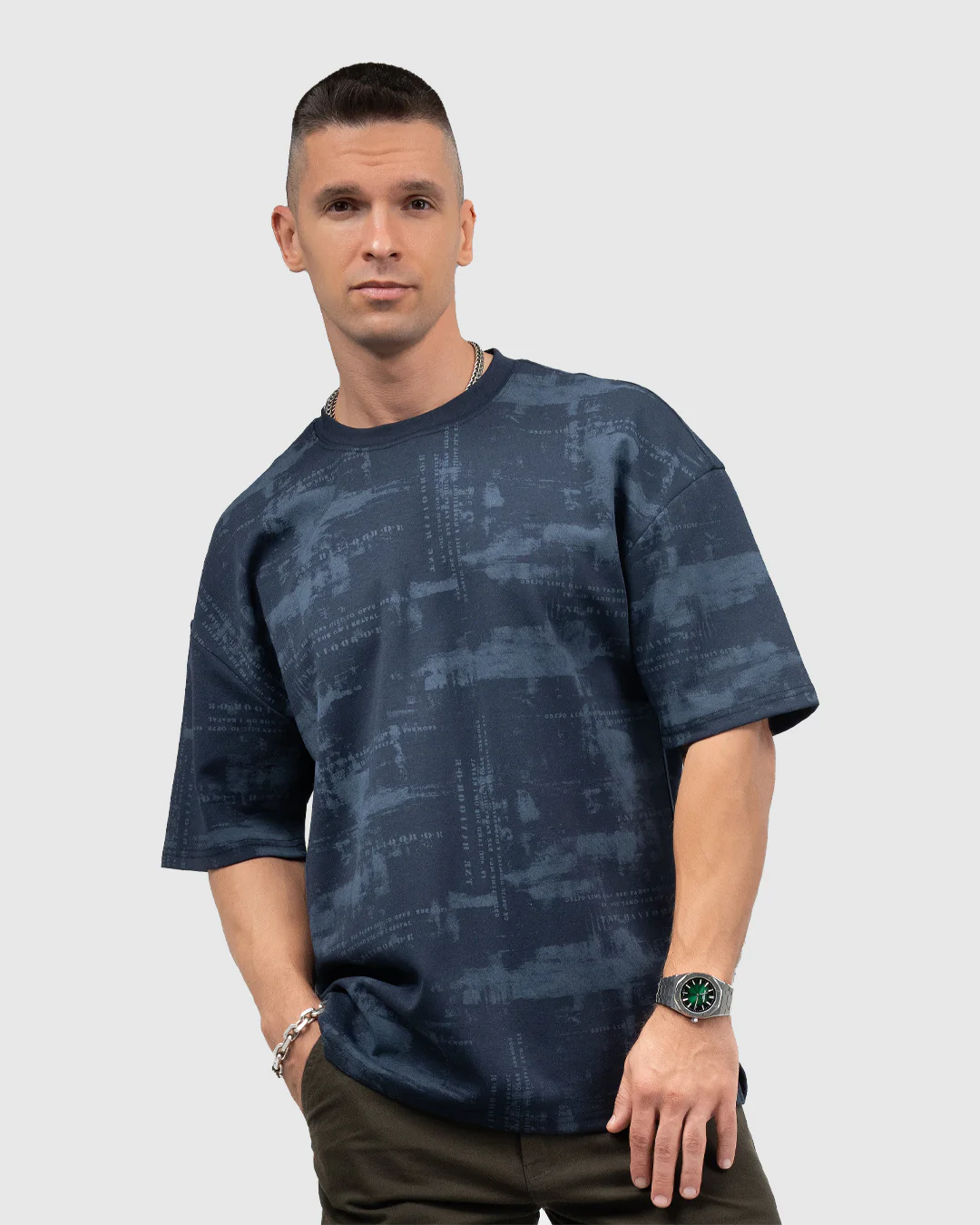
Trends in menswear change quickly, but the basics rarely do. Graphic styles rotate, color palettes shift, and logos move in and out of favor. What remains consistent is the importance of construction. When shopping for branded t shirts online UAE, the difference between something that looks good for a week and something that holds up over time often comes down to three factors: fit, fabric, and cut.
Fit is usually the first thing people notice. A shirt that is too tight pulls across the chest and shoulders. One that is too loose loses shape and looks careless. The right fit follows the natural lines of the body without clinging. It should sit cleanly on the shoulders, fall straight along the torso, and allow easy movement. Small differences in sleeve length and shoulder width can change the overall impression more than bold design details.
Fabric influences both comfort and structure. Cotton remains popular because it breathes well in warm climates and feels soft against the skin. Blends can offer added durability or stretch, but quality varies. Lightweight fabrics may feel comfortable at first yet lose shape after repeated washing. Heavier knits often hold structure better but need to remain breathable in high temperatures.
The way the fabric is finished also matters. A smooth, tightly knit surface tends to drape more cleanly than a loosely woven one. Seams should sit flat and feel secure. If the collar stretches out quickly, the shirt loses its frame. Details like reinforced stitching at the neckline help maintain shape over time.
Cut defines how the shirt hangs once it is on the body. A straight cut offers a classic silhouette that works in most settings. A slightly tapered cut can create a cleaner outline without appearing restrictive. Length is part of the equation as well. A shirt that is too short rides up during movement, while one that is overly long can look disproportionate when worn casually.
Color and branding sit on top of these fundamentals. A well known label may attract attention, but if the structure underneath is weak, the shirt will not perform well in daily wear. Conversely, a simple design supported by strong construction often looks better over time because it keeps its form.
Climate plays a role in decision making. In warm environments, breathability and moisture control become practical concerns. Fabrics that trap heat or feel heavy in humidity are less likely to be worn regularly. That makes fabric selection more important than seasonal graphics.
Maintenance should not be overlooked. Shirts that hold shape after washing and resist pilling tend to remain in rotation longer. Checking care labels and understanding fabric composition can prevent early wear.
While style preferences evolve, the fundamentals remain steady. Fit shapes appearance, fabric determines comfort, and cut influences how a shirt integrates into daily wear. When those elements align, even a simple T shirt becomes a reliable part of a wardrobe rather than a short lived purchase.