

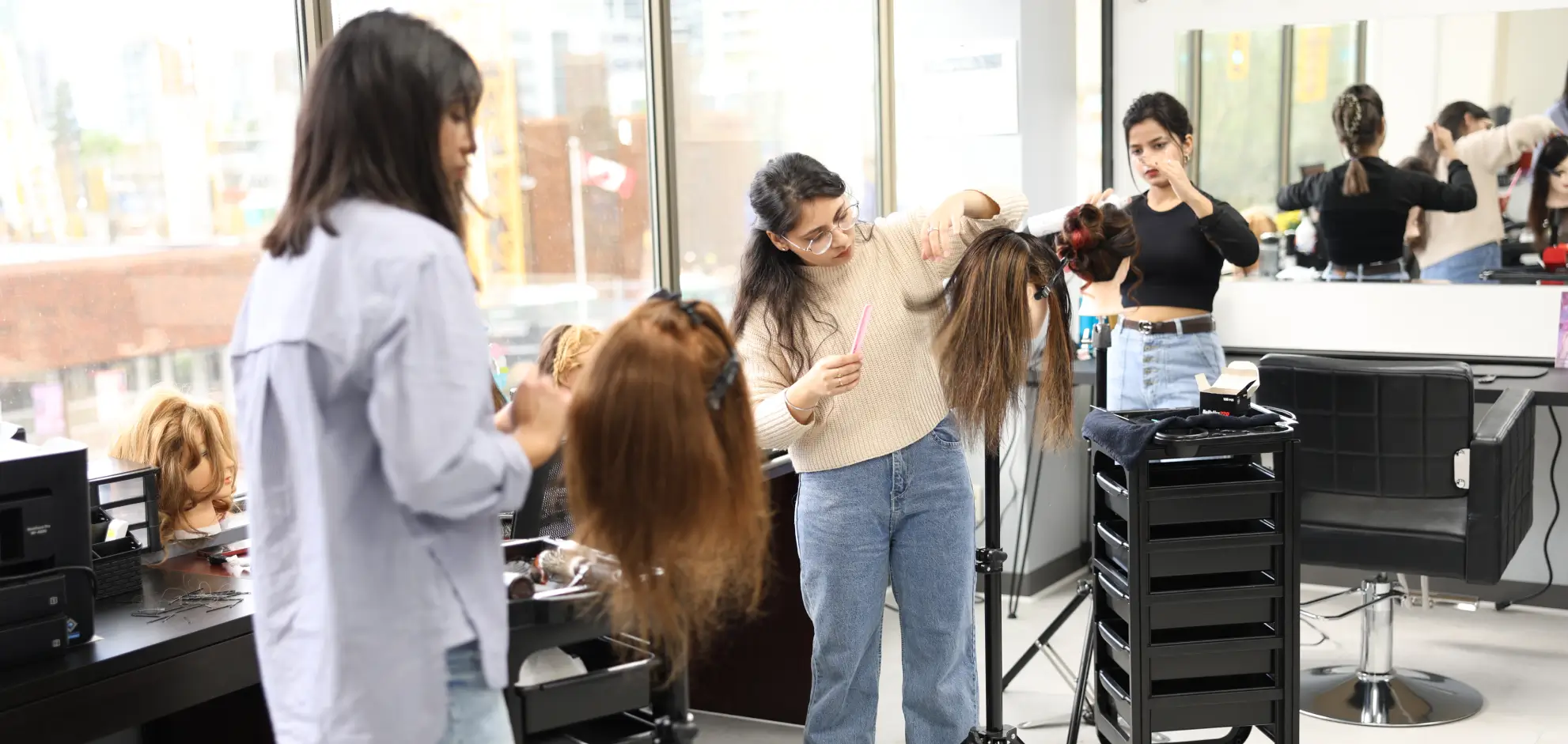
A salon is more than just a place for grooming. Today’s salons serve as creative spaces where personal style, confidence, and self-care come together. Whether someone is preparing for a special event or maintaining their regular look, salons offer professional expertise that helps people feel refreshed and polished.
Modern salons have evolved into full-service beauty environments that combine hair care, skin treatments, nail services, and wellness experiences under one roof. With trained professionals and advanced tools, salons provide personalized services that are difficult to replicate at home.
What Is a Salon?
A salon is a professional establishment that provides beauty and grooming services to clients. These services typically include haircuts, styling, coloring, skincare treatments, manicures, pedicures, and sometimes makeup and spa therapies.
Salons vary in size and specialization. Some focus only on hair care, while others provide a wide range of beauty services designed to meet different lifestyle and personal care needs.
Common types of salons include:
- Hair salons
- Nail salons
- Beauty salons
- Day spas
- Barber salons
- Specialty treatment salons
Each type serves a unique purpose but shares the same goal: enhancing appearance and promoting personal confidence.
Services Offered in a Modern Salon
Modern salons provide a wide variety of services tailored to different age groups, preferences, and styles. Clients can choose individual services or complete beauty packages depending on their needs.
Hair Services
Hair care remains the foundation of most salon businesses. Professional stylists help clients maintain healthy hair while creating flattering styles.
Typical hair services include:
- Haircuts and trimming
- Hair coloring and highlights
- Hair straightening and smoothing treatments
- Blow-drying and styling
- Hair conditioning treatments
- Scalp treatments
Stylists assess hair texture, face shape, and lifestyle before recommending suitable hairstyles.
Skin Care Treatments
Many salons now offer skincare services that help improve complexion and skin health. These treatments are designed to address issues such as dryness, acne, pigmentation, and aging signs.
Popular skin services include:
- Facials
- Deep cleansing treatments
- Anti-aging treatments
- Hydration therapies
- Exfoliation treatments
Professional skin treatments often deliver faster and more visible results than home routines.
Nail Care Services
Nail services are another essential offering in modern salons. These treatments enhance nail appearance while maintaining hygiene and strength.
Common nail services include:
- Manicures
- Pedicures
- Nail shaping and polishing
- Gel nail applications
- Nail strengthening treatments
Regular nail care helps prevent infections and promotes healthy nail growth.
Makeup Services
Many salons provide professional makeup services for special occasions such as weddings, parties, and photoshoots.
Makeup services typically include:
- Bridal makeup
- Party makeup
- Natural everyday makeup
- Airbrush makeup
- Special-event styling
Professional artists select products that match skin tone and enhance facial features naturally.
Importance of Visiting a Salon Regularly
Regular salon visits contribute to both physical appearance and emotional well-being. Professional grooming creates a polished look while also improving confidence.
Some benefits of routine salon visits include:
- Maintaining healthy hair and skin
- Receiving expert advice on beauty routines
- Accessing professional-grade products
- Relaxing in a stress-free environment
- Staying updated with current style trends
Consistency in grooming routines helps maintain long-term beauty results.
How to Choose the Right Salon
Selecting the right salon is important for achieving desired results. Not all salons provide the same level of expertise, hygiene standards, or customer experience.
Consider the following factors when choosing a salon:
Professional Experience
Check whether stylists are trained and experienced in providing specialized services. Skilled professionals understand different hair types, skin conditions, and styling techniques.
Hygiene Standards
Clean tools, sanitized equipment, and tidy surroundings indicate a reliable salon. Hygiene plays a major role in preventing infections and ensuring safe treatments.
Range of Services
A good salon offers multiple services under one roof. This convenience allows clients to complete several treatments during a single visit.
Customer Reviews
Client feedback provides insight into service quality, professionalism, and reliability. Positive reviews usually reflect consistent performance.
Product Quality
High-quality salons use trusted professional products that protect hair and skin while delivering lasting results.
Latest Trends in the Salon Industry
The beauty industry continues to evolve with changing customer expectations and technological advancements. Modern salons now focus on personalization and wellness along with appearance.
Some popular salon trends include:
- Organic and chemical-free treatments
- Customized haircare solutions
- Scalp therapy services
- Express beauty services for busy clients
- Digital booking systems
- Sustainable beauty practices
These trends highlight the shift toward healthier and more convenient beauty solutions.
Role of Professional Stylists in a Salon
Professional stylists are the backbone of any successful salon. Their creativity and technical skills determine the overall customer experience.
Stylists perform several important roles:
- Understanding client preferences
- Suggesting suitable treatments
- Creating personalized hairstyles
- Maintaining hygiene standards
- Keeping up with industry trends
Their expertise ensures that clients receive safe and satisfying services.
Salon Equipment and Tools
Modern salons use advanced tools that improve accuracy, efficiency, and safety. Professional equipment allows stylists to deliver high-quality results.
Common salon tools include:
- Hair dryers
- Curling irons
- Straightening tools
- Facial steamers
- Nail care instruments
- Sterilization equipment
Using professional tools helps reduce damage and improves treatment effectiveness.
Benefits of Professional Hair Coloring
Hair coloring has become one of the most requested salon services. Professional coloring enhances appearance while protecting hair structure.
Advantages of professional coloring include:
- Even color application
- Reduced risk of damage
- Long-lasting results
- Expert shade selection
- Proper aftercare guidance
Stylists also recommend maintenance routines to preserve color quality.
Importance of Salon Hygiene and Safety
Hygiene remains one of the most critical aspects of any salon environment. Clean tools and sanitized surfaces protect both clients and professionals.
Essential hygiene practices include:
- Sterilizing tools after each use
- Using disposable materials when needed
- Maintaining clean workstations
- Providing fresh towels for every client
- Following safety guidelines for chemical treatments
Clients should always observe cleanliness before selecting a salon.
How Salons Enhance Personal Confidence
A visit to a salon often results in more than just physical transformation. Grooming improves self-esteem and encourages a positive outlook.
Looking well-groomed can:
- Improve first impressions
- Boost professional confidence
- Support social interactions
- Encourage self-care habits
- Reduce stress through relaxation
Many clients consider salon visits an important part of their personal wellness routine.
Future of the Salon Industry
The salon industry continues to expand as people become more aware of grooming and wellness. Technology and innovation are shaping the future of beauty services.
Expected developments include:
- AI-assisted style recommendations
- Smart scalp analysis tools
- Personalized skincare mapping
- Eco-friendly product adoption
- Virtual consultation services
These innovations are transforming salons into advanced beauty care centers rather than simple grooming spaces.
Frequently Asked Questions (FAQs)
How often should someone visit a salon for hair maintenance?
Most people benefit from visiting a salon every four to six weeks for trimming, styling adjustments, and maintaining healthy hair growth.
Are salon treatments better than home treatments?
Professional treatments typically provide better results because they use advanced tools and high-quality products applied by trained specialists.
Can salons help repair damaged hair?
Yes, many salons offer deep conditioning, keratin therapies, and scalp treatments designed to restore strength and shine to damaged hair.
What should someone do before visiting a salon for the first time?
It helps to research services, read customer reviews, and discuss expectations clearly with the stylist before starting any treatment.
Are organic salon products safer than regular products?
Organic products often contain fewer harsh chemicals and may be gentler on hair and skin, especially for individuals with sensitivity concerns.
Do salons offer customized beauty treatments?
Many modern salons provide personalized services based on hair type, skin condition, and individual preferences.
How long does a typical salon visit take?
The duration depends on the service selected. Simple haircuts may take around thirty minutes, while coloring or skincare treatments can require several hours.