

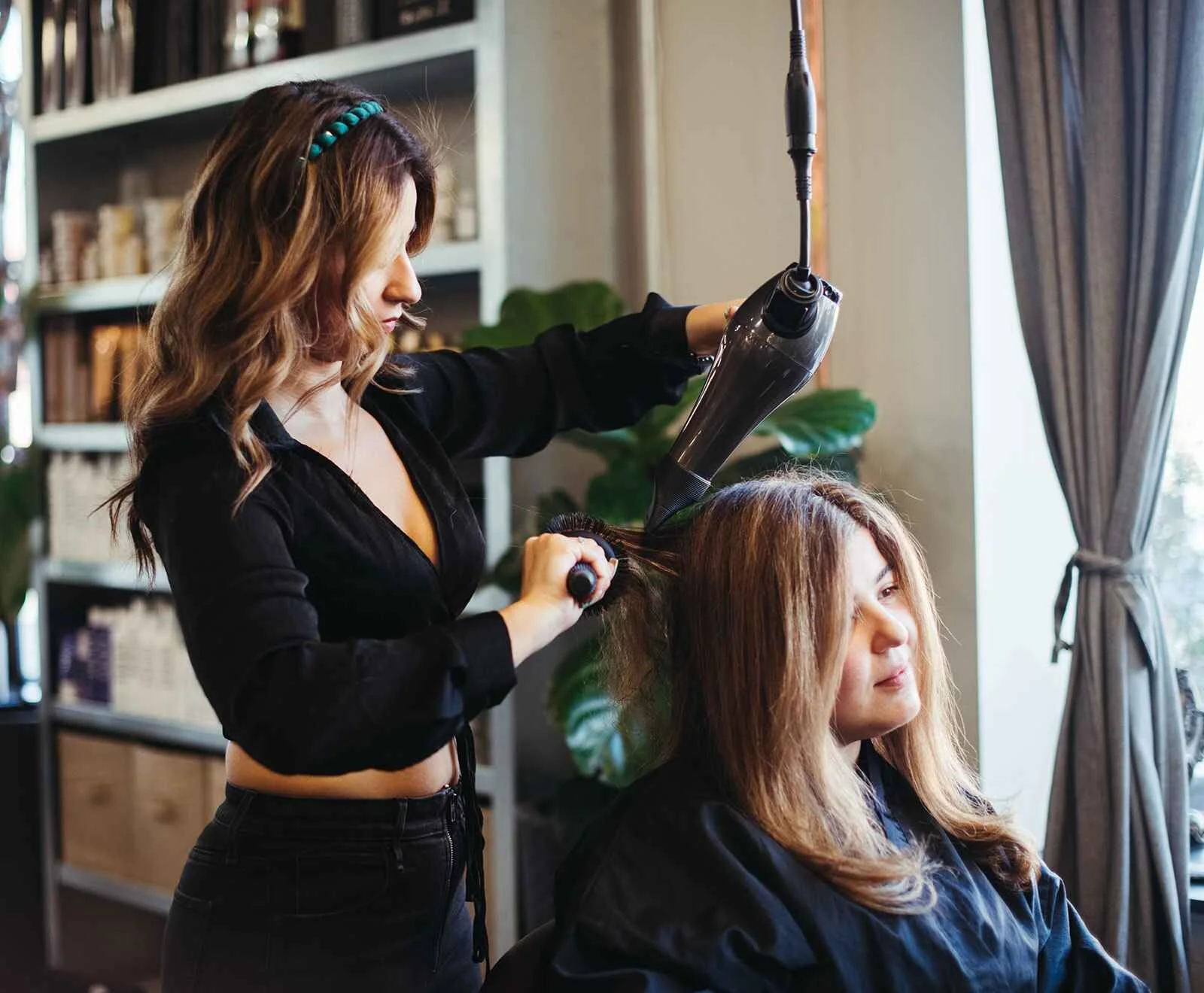
Professional stylists are the foundation of any successful salon. While clients often focus on the visible results of a haircut, color treatment, or styling session, the work behind those outcomes involves technical expertise, communication skills, creativity, hygiene awareness, and customer care. A professional stylist does much more than shape hair. They guide clients, protect hair health, maintain salon standards, and contribute directly to the reputation and growth of the business.
Understanding the role of professional stylists helps highlight why they are essential to the salon experience and why their training and professionalism directly influence client satisfaction.
Understanding the Role of a Professional Stylist
A professional stylist is a trained specialist who provides hair services such as cutting, coloring, styling, and treatment while ensuring the client’s comfort and safety. Their responsibilities extend beyond technical services and include consultation, product knowledge, trend awareness, and relationship building.
Stylists act as both artists and advisors. They interpret client expectations, recommend suitable styles, and execute services that enhance appearance while maintaining hair health.
Their role typically includes:
- Consulting with clients about style preferences
- Performing haircuts and styling services
- Applying color treatments safely
- Recommending hair care routines
- Maintaining cleanliness and organization
- Staying updated with industry trends
Each of these responsibilities contributes to the overall salon experience.
Providing Personalized Client Consultations
One of the most important responsibilities of a stylist is conducting a thoughtful consultation before beginning any service. This step ensures the stylist understands the client’s expectations, lifestyle, and hair condition.
A professional consultation involves:
- Evaluating hair texture and thickness
- Identifying scalp condition
- Discussing maintenance preferences
- Understanding previous treatments
- Suggesting realistic style options
Consultations help prevent misunderstandings and build trust between the stylist and client. They also ensure the final results match expectations.
Delivering Expert Haircutting Services
Haircutting is a technical skill that requires precision, training, and creativity. Professional stylists analyze facial features, hair density, and growth patterns before selecting the most suitable cutting technique.
Common haircutting responsibilities include:
- Selecting styles that complement face shape
- Maintaining balance and symmetry
- Using advanced cutting techniques
- Creating layered or structured looks
- Adjusting styles based on hair movement
An experienced stylist understands how small adjustments can significantly improve the final appearance.
Performing Professional Hair Coloring Services
Hair coloring requires both artistic judgment and technical knowledge. Incorrect application can damage hair or produce uneven results, which is why professional stylists follow structured coloring procedures.
Their coloring responsibilities include:
- Selecting appropriate shades for skin tone
- Mixing formulas accurately
- Protecting hair from chemical damage
- Monitoring processing time carefully
- Providing aftercare recommendations
Stylists also explain maintenance routines so clients can preserve color vibrancy between visits.
Maintaining Hair Health During Services
A professional stylist’s role includes protecting the structural integrity of the client’s hair. Healthy hair is essential for achieving consistent results.
Stylists protect hair health by:
- Evaluating previous chemical treatments
- Avoiding unnecessary processing
- Using conditioning treatments
- Applying heat protection techniques
- Suggesting recovery treatments when needed
This approach ensures clients achieve both beauty and long-term hair strength.
Recommending Suitable Hair Care Products
Professional stylists help clients choose products that support their hair type and styling goals. Product recommendations are based on experience and technical understanding rather than general trends.
Stylists typically recommend products that:
- Improve moisture balance
- Protect against heat damage
- Maintain color-treated hair
- Reduce frizz and dryness
- Support scalp health
These recommendations help clients maintain salon-quality results at home.
Creating Customized Styling Solutions
Every client has unique preferences and routines. Professional stylists adapt their approach to match individual needs rather than applying a standard method.
Customization may involve:
- Selecting low-maintenance styles for busy clients
- Designing formal styles for special events
- Adjusting techniques for curly or textured hair
- Choosing styles suitable for workplace environments
- Recommending seasonal adjustments
Personalized styling increases satisfaction and encourages repeat visits.
Supporting Special Occasion Preparation
Stylists often play an important role in preparing clients for weddings, interviews, celebrations, and professional events. Their expertise ensures clients look polished and confident during important moments.
Special occasion services may include:
- Bridal styling
- Event hair design
- Blow-dry styling sessions
- Hair setting and finishing services
- Trial styling consultations
These services require planning and attention to detail.
Maintaining Hygiene and Safety Standards
Hygiene is a core responsibility of professional stylists. Clean tools and sanitized workspaces protect both clients and staff.
Key hygiene practices include:
- Disinfecting tools after each use
- Using clean towels for every client
- Maintaining workstation cleanliness
- Handling chemical products responsibly
- Following salon safety procedures
Clients often judge salon quality based on visible cleanliness.
Staying Updated With Industry Trends
The beauty industry evolves quickly. Professional stylists must continuously improve their skills to remain competitive.
Stylists stay current by:
- Attending training workshops
- Learning new cutting techniques
- Understanding color trends
- Exploring product innovations
- Following seasonal styling preferences
Continuous education ensures stylists deliver modern and relevant services.
Building Strong Client Relationships
Successful stylists understand the importance of communication and trust. Clients return to stylists who listen carefully and respect their preferences.
Relationship-building involves:
- Remembering client preferences
- Offering honest suggestions
- Maintaining consistent service quality
- Providing clear aftercare guidance
- Creating a comfortable environment
Strong relationships contribute to long-term salon success.
Supporting the Overall Salon Environment
Professional stylists contribute to the smooth operation of the entire salon. Their teamwork and professionalism affect both workflow and customer satisfaction.
They support the salon environment by:
- Assisting colleagues when needed
- Managing appointment schedules responsibly
- Maintaining organized workspaces
- Communicating clearly with reception staff
- Following salon service protocols
Team cooperation improves service efficiency.
Educating Clients About Hair Maintenance
Education is an important but often overlooked part of a stylist’s role. Clients benefit from understanding how to maintain their hair between visits.
Stylists provide guidance on:
- Proper washing routines
- Heat styling precautions
- Product application techniques
- Frequency of trims
- Managing seasonal hair changes
Well-informed clients experience better long-term results.
Managing Time Effectively During Appointments
Time management is essential in a professional salon setting. Stylists must complete services efficiently without compromising quality.
Effective time management includes:
- Preparing tools in advance
- Following structured service steps
- Coordinating with other staff members
- Adjusting schedules when needed
- Communicating realistic service timelines
Efficient scheduling benefits both clients and the salon.
Handling Client Expectations Professionally
Professional stylists must balance creativity with realism. Not every requested style suits every hair type, and stylists guide clients toward achievable outcomes.
Managing expectations involves:
- Explaining limitations clearly
- Suggesting alternative solutions
- Demonstrating maintenance requirements
- Setting realistic timelines for results
- Ensuring transparency during consultations
This honesty strengthens trust and prevents dissatisfaction.
Contributing to Salon Reputation and Growth
Stylists play a direct role in shaping how clients perceive a salon. Their service quality influences whether clients return or recommend the salon to others.
Their contributions include:
- Delivering consistent results
- Maintaining professionalism
- Providing positive customer experiences
- Supporting teamwork
- Representing salon values
Satisfied clients often become long-term customers and refer others.
Frequently Asked Questions
What qualifications are required to become a professional stylist in a salon
Most professional stylists complete formal cosmetology training programs followed by practical experience in salon environments.
How do stylists decide which haircut suits a client best
Stylists evaluate face shape, hair texture, lifestyle needs, and maintenance preferences before recommending suitable styles.
Do professional stylists specialize in specific services
Yes, many stylists specialize in areas such as hair coloring, texture treatments, precision cutting, or event styling.
How do stylists manage clients with damaged hair
Stylists assess the level of damage and recommend treatments, trims, or recovery plans before performing major styling services.
Why do stylists recommend professional products instead of regular store products
Professional products are formulated with higher-quality ingredients designed to support specific hair conditions and salon treatments.
Can stylists help clients transition to a completely new hairstyle safely
Yes, stylists plan gradual transitions when necessary to protect hair health and achieve balanced results.
How do stylists stay motivated in a fast-paced salon environment
Many stylists remain motivated through continued learning opportunities, creative expression, client relationships, and professional growth within the beauty industry.