


A striking graphic can make a T-shirt appealing before you have considered the garment underneath it. If you plan to buy Muay Thai T shirt in Thailand, a closer look at construction and finishing can help you judge its value. The useful question is what you are paying for and whether those qualities matter to you.
Look Inside the Garment Before Judging the Finish
Turning a shirt inside out reveals details that a prominent print can distract from. Look along the shoulder seams, underarms and hem for gaps, uneven stitching or fabric caught awkwardly in a seam. These are specific things you can assess without needing specialist knowledge or pulling the garment out of shape.
An isolated loose thread does not tell you much about the whole shirt, but an opening seam deserves attention. Comparing two examples of the same design can help you distinguish a problem with one garment from a feature of the cut. If something looks questionable, resolve it before paying rather than assuming washing will improve it.
Fabric Weight Should Suit the Way You Wear It
A heavier shirt can feel substantial and hold a particular shape, but weight alone does not establish quality. Its value depends partly on whether you enjoy wearing that type of fabric. Someone buying a structured casual shirt may appreciate a weight that another person finds uncomfortable during an active day.
Handle the fabric across several areas rather than judging it only at the collar. Notice whether it feels consistent and whether the garment hangs as you expect when tried on. This connects the purchase to actual use instead of treating a thick fabric or a high price as proof that it will suit you.
Examine the Print Without Expecting Every Finish to Feel Alike
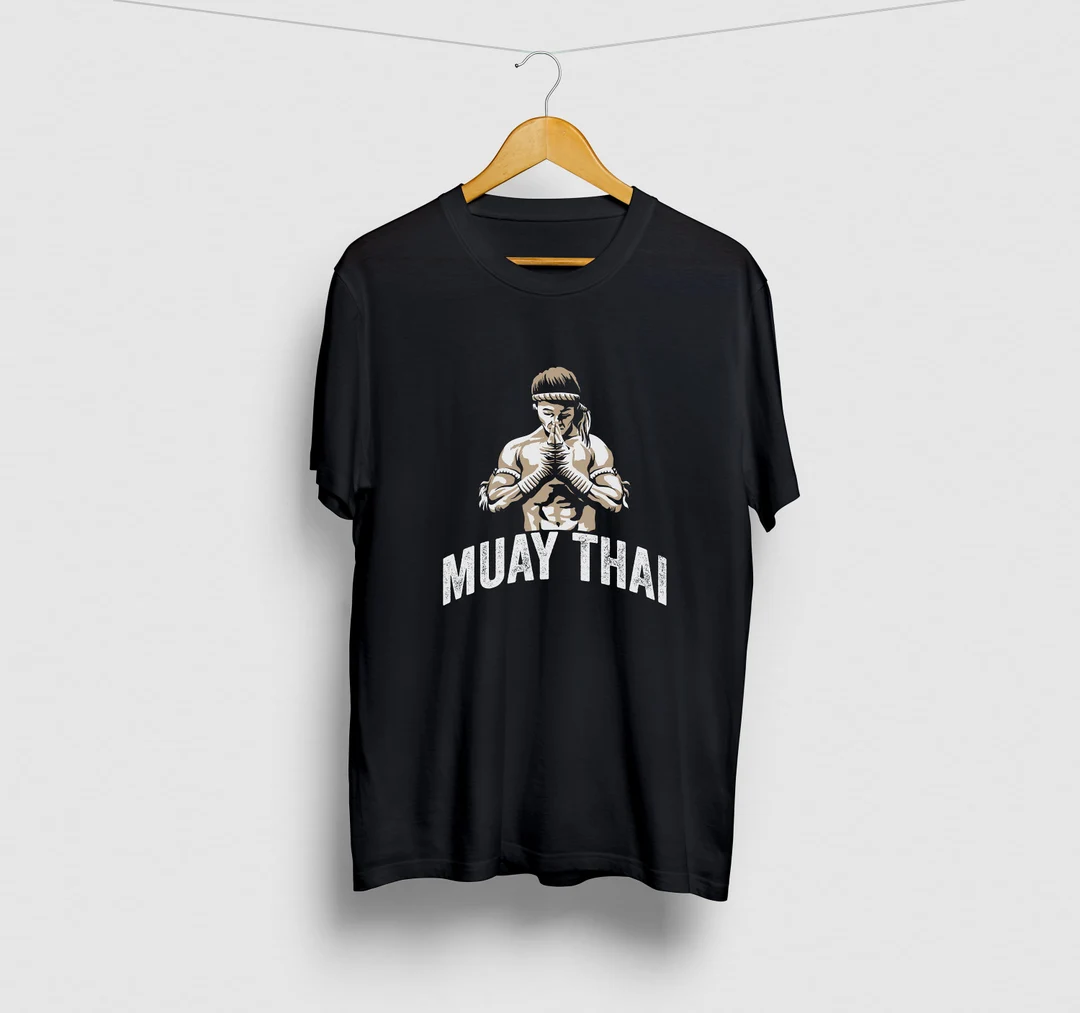
Graphics can have different textures, so a print sitting on the fabric surface is not automatically a flaw. What matters initially is whether the finish appears intentional and consistent. Edges already lifting, unexplained cracking or an obvious printing error are reasons to inspect another example or ask for clarification.
Distressed artwork needs a different judgement from a design intended to look crisp. Comparing the garment with the product image can help establish whether irregularities belong to the artwork. However, appearance at purchase cannot prove long-term durability, so washing instructions and a clear policy for faults remain useful parts of the decision.
Separate the Value of the Design from the Quality of the Shirt
Two shirts can be similarly constructed while carrying different prices because of their artwork, production quantities or licensing. Paying more for a design you particularly enjoy can be reasonable. It becomes easier to judge the purchase when you separate that preference from claims about fabric or workmanship.
CottonWorks’ overview of how garment quality is assessed identifies several considerations, including fabric characteristics, fit, seam integrity and performance after washing. For a shopper, that provides a useful reminder to look at the whole garment. Keep the receipt and establish how any fault would be handled, especially if you will soon be leaving the country.
A worthwhile shirt combines a design you want to wear with construction and care requirements you are comfortable accepting. A few minutes spent inspecting those details gives you a stronger basis for the purchase than the graphic, price tag or fabric weight alone.