
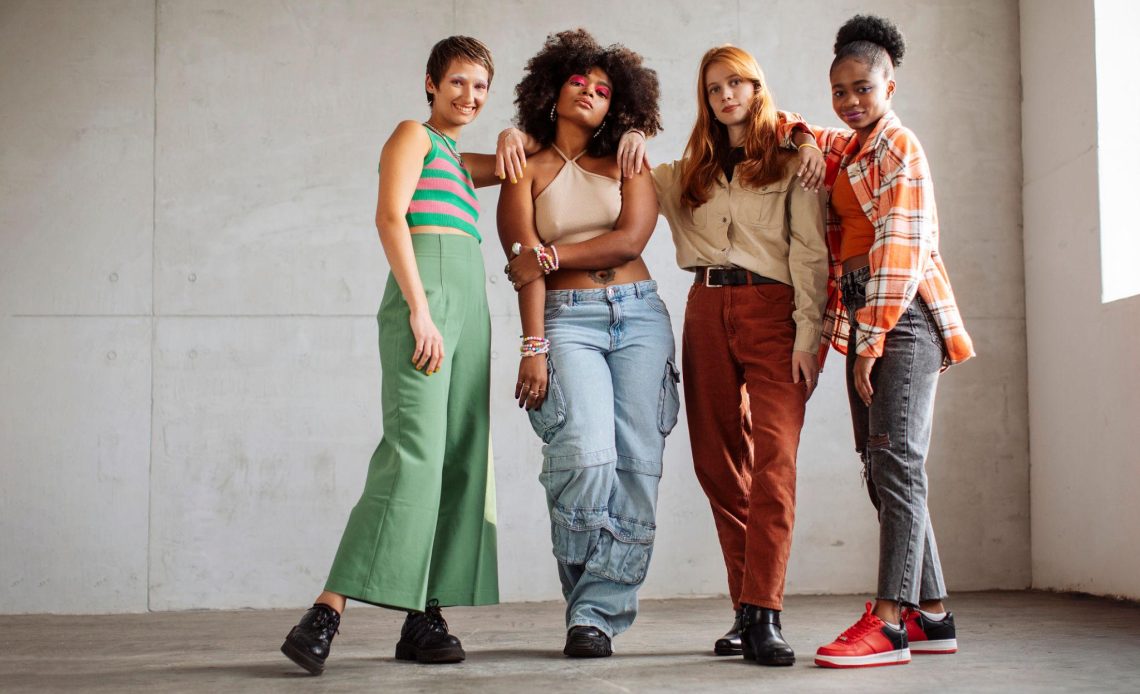
Fashion is no longer limited to clothing choices or seasonal runway trends. It has become a powerful cultural force that shapes identity, communication, social values, and everyday behavior. In modern society, fashion reflects how people think, interact, express themselves, and even how they perceive success and belonging.
From social media aesthetics to workplace expectations and sustainability awareness, fashion influences lifestyle culture in visible and subtle ways. It helps individuals define their personal identity while simultaneously shaping collective cultural trends across cities, industries, and generations.
Fashion as a Form of Personal Identity
Fashion plays a major role in how individuals communicate who they are without speaking. Clothing choices often represent personality traits, values, interests, and cultural affiliations.
People use fashion to express:
- Confidence and ambition
- Creativity and individuality
- Cultural pride
- Social awareness
- Professional identity
For example, someone drawn to minimalist outfits may value simplicity and structure, while someone who prefers bold colors and experimental silhouettes may express artistic confidence. Fashion acts as a visual language that communicates identity instantly.
In modern lifestyle culture, self-expression through clothing is no longer optional but expected, especially among younger generations who view style as an extension of personality.
Social Media and the Acceleration of Fashion Culture
Social media platforms have transformed fashion into a daily conversation rather than a seasonal event. Platforms like Instagram, TikTok, and Pinterest influence what people wear, how they shop, and how they define trends.
Today’s lifestyle culture includes:
- Influencer-driven styling inspiration
- Daily outfit sharing
- Micro-trend participation
- Digital fashion communities
- Real-time trend adoption
Instead of waiting for magazines or fashion shows, people now discover styles instantly through digital content creators. This shift has made fashion more accessible and democratic.
As a result, modern lifestyle culture encourages individuals to stay visually current and expressive through everyday wardrobe choices.
Fashion and Workplace Culture
Modern professional environments increasingly recognize the importance of appearance as part of communication and branding. Fashion helps individuals present competence, confidence, and credibility.
Workplace fashion influences lifestyle culture through:
- Smart casual office dress codes
- Industry-specific style expectations
- Personal branding through appearance
- Remote work wardrobe evolution
In creative industries, fashion often signals innovation and originality. In corporate sectors, polished dressing communicates reliability and leadership readiness.
Even remote work has reshaped fashion culture by introducing hybrid clothing styles that combine comfort with professionalism.
This evolution reflects how fashion adapts alongside changing work lifestyles.
Cultural Diversity and Global Fashion Exchange
Modern lifestyle culture is shaped by global fashion exchange. Cultural boundaries are no longer strict barriers to style inspiration.
Today, fashion reflects influences from:
- Korean streetwear
- Italian tailoring traditions
- African textile heritage
- Japanese minimalist aesthetics
- American casual culture
This global blending encourages appreciation for cultural storytelling through clothing. It also allows individuals to experiment with diverse visual identities.
Fashion has become a bridge connecting cultures rather than separating them.
Fashion and Mental Well-Being
Clothing choices influence emotional states more than many people realize. What individuals wear can affect confidence levels, motivation, and social comfort.
Studies and behavioral observations suggest that dressing intentionally can:
- Improve self-esteem
- Increase productivity
- Reduce social anxiety
- Strengthen personal presence
- Support emotional resilience
Modern lifestyle culture recognizes fashion as part of mental wellness routines. Choosing outfits thoughtfully is no longer seen as superficial but as a meaningful self-care practice.
This shift reflects growing awareness of how appearance influences mindset.
Fashion as a Tool for Social Communication
Fashion communicates messages about values, beliefs, and awareness of social issues. Many individuals use clothing to support causes or represent movements important to them.
Examples include:
- Sustainable clothing choices
- Gender-neutral fashion expressions
- Cultural representation through textiles
- Support for ethical production practices
- Awareness-driven slogan apparel
Modern lifestyle culture encourages individuals to align their wardrobes with their principles. Clothing now reflects not just taste but also responsibility.
Sustainability and Ethical Fashion Awareness
One of the most powerful shifts in modern fashion culture is the rise of sustainability awareness. Consumers increasingly question how their clothing is made and where it comes from.
Lifestyle changes influenced by ethical fashion include:
- Choosing long-lasting garments
- Supporting local designers
- Buying fewer but higher-quality items
- Exploring secondhand fashion
- Avoiding fast fashion excess
This movement reflects a broader cultural transition toward mindful consumption.
Fashion is no longer only about looking good. It is also about making responsible choices.
The Role of Fashion in Youth Culture
Young generations shape fashion culture faster than any previous group in history. Their openness to experimentation drives innovation across industries.
Youth fashion culture emphasizes:
- Individuality over conformity
- Comfort with creativity
- Gender-neutral styling
- Vintage revival trends
- Digital fashion identity
Teenagers and young adults influence what becomes mainstream through rapid trend circulation online.
As a result, lifestyle culture evolves continuously through youth-led creativity.
Fashion and Technology Integration
Technology is changing how people interact with fashion. Digital tools influence how clothing is designed, marketed, and experienced.
Examples of fashion and technology integration include:
- Virtual styling apps
- Online wardrobe planning tools
- Digital fashion shows
- Augmented reality try-ons
- Smart fabrics and wearable technology
Technology allows fashion to become interactive rather than passive. Lifestyle culture now includes digital experimentation with style before physical purchase decisions are made.
This transformation strengthens the connection between innovation and appearance.
Fashion and Social Status Representation
Fashion has historically reflected social position, and this remains true today. However, the definition of status has changed significantly.
Modern status signals include:
- Personal style originality
- Sustainable purchasing habits
- Designer investment pieces
- Cultural awareness through fashion
- Lifestyle authenticity
Rather than displaying wealth alone, fashion now communicates taste, ethics, and creativity.
Lifestyle culture values meaning behind clothing choices more than brand labels alone.
The Influence of Street Style on Everyday Living
Street style plays a central role in shaping modern fashion culture. Unlike traditional runway fashion, streetwear reflects real-life expression.
Street style encourages:
- Comfort-focused clothing
- Layered styling techniques
- Sneaker culture adoption
- Mix-and-match experimentation
- Casual luxury aesthetics
This shift has made fashion more practical and accessible. People increasingly prioritize authenticity over perfection in their appearance.
Street style represents the voice of everyday culture rather than elite fashion institutions.
Fashion as a Reflection of Lifestyle Priorities
Clothing choices often mirror how people organize their lives. For example:
- Fitness-focused individuals prefer athleisure
- Remote workers adopt comfort-driven wardrobes
- Entrepreneurs favor smart casual versatility
- Travelers choose adaptable clothing
Fashion adapts alongside lifestyle routines. This flexibility allows clothing to support productivity and mobility rather than restrict them.
Modern lifestyle culture treats fashion as functional expression rather than rigid tradition.
Fashion and the Rise of Personal Branding
Personal branding has become a defining element of modern professional and social life. Clothing plays a key role in shaping how individuals are perceived both online and offline.
A strong visual identity through fashion helps people:
- Build credibility
- Increase memorability
- Strengthen confidence
- Communicate expertise
- Establish authenticity
This is especially important in creative careers, entrepreneurship, and digital influence roles.
Fashion now supports reputation building as much as it supports appearance.
How Fashion Shapes Community Belonging
Fashion helps individuals connect with groups that share similar interests and values. Clothing can signal belonging to communities centered around music, sports, art, activism, or professional identity.
Examples include:
- Sneaker culture communities
- Vintage collectors
- Sustainable fashion supporters
- Creative industry professionals
- Cultural heritage groups
These shared style identities strengthen social connection and reinforce cultural participation.
Fashion builds communities through visual similarity and shared inspiration.
Conclusion
Fashion influences modern lifestyle culture in powerful and evolving ways. It shapes identity, strengthens communication, supports mental well-being, encourages sustainability awareness, and reflects technological innovation.
Rather than functioning only as decoration, fashion now operates as a cultural language that connects individuals to communities, ideas, and global movements.
In today’s world, clothing represents intention. It expresses who people are, what they believe, and how they participate in society. As lifestyle culture continues to evolve, fashion will remain one of its most visible and meaningful expressions.
Frequently Asked Questions
How does fashion influence daily decision-making?
Fashion affects daily routines by shaping clothing choices for work, social events, exercise, and travel. It also influences how individuals prepare for interactions and present themselves in different environments.
Why is fashion important in modern communication?
Fashion communicates personality, confidence, and values instantly. It allows people to express identity visually without needing verbal explanation.
Can fashion influence career opportunities?
Yes. Professional appearance often affects first impressions, credibility, and networking success. Strategic clothing choices can support career advancement in many industries.
How does fashion affect cultural identity?
Fashion preserves cultural heritage through textiles, patterns, and traditional garments. It also allows individuals to celebrate their roots while adapting to global trends.
Is fashion becoming more inclusive today?
Modern fashion culture increasingly supports body diversity, gender-neutral clothing, and representation across cultures, making style more accessible to broader audiences.
How does technology change fashion behavior?
Technology allows people to explore styles digitally, shop more efficiently, and access global trends instantly, transforming how individuals engage with clothing choices.
Why is sustainable fashion gaining popularity?
Consumers are becoming more aware of environmental and ethical concerns related to clothing production. This awareness encourages responsible purchasing and long-term wardrobe planning.