


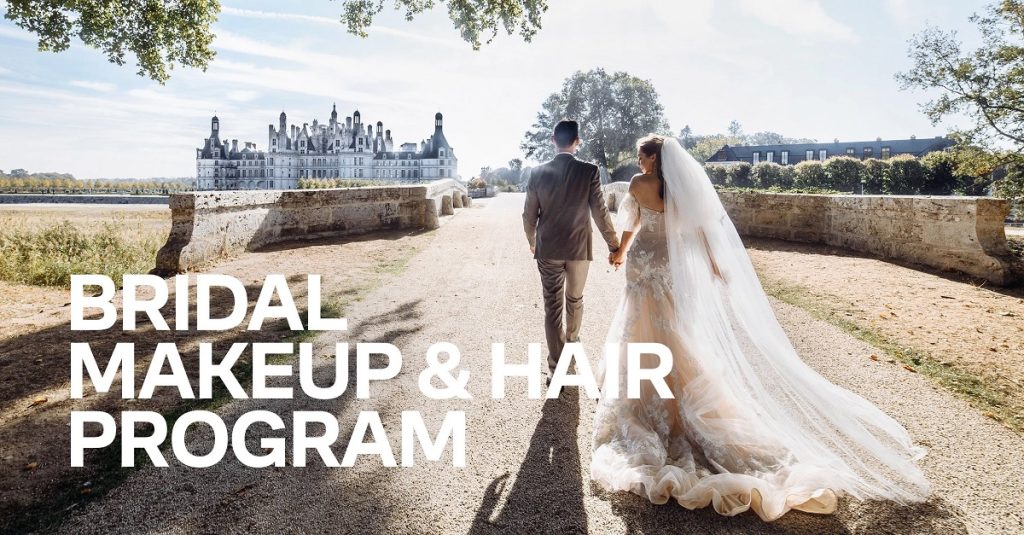
The wedding industry is experiencing remarkable growth, with couples investing more than ever in creating their perfect day. At the heart of this celebration stands the bridal makeup artist, a skilled professional who transforms nervous brides into confident, radiant versions of themselves. If you’ve ever dreamed of being part of these magical moments while building a lucrative beauty career, becoming a bridal makeup artist might be your calling.
The global wedding industry generates over $300 billion annually, and professional bridal makeup services represent a significant portion of that market. Trained makeup artists (MUAs) specializing in bridal beauty can command premium rates, with experienced professionals earning between $150 to $500+ per bridal appointment. Beyond the financial rewards, bridal makeup artistry offers creative fulfillment, flexible scheduling, and the privilege of making brides feel beautiful on one of the most important days of their lives.
This comprehensive guide will walk you through everything you need to know about how to become a bridal makeup artist, from essential skills and training to building your business and attracting high-paying clients.
What Does a Bridal Makeup Artist Do?
A bridal makeup artist does far more than apply foundation and eyeshadow on wedding day. This specialized career encompasses various responsibilities that require both technical expertise and exceptional interpersonal skills.
Daily Responsibilities
Bridal Consultations: Meeting with brides weeks or months before their wedding to discuss their vision, skin concerns, wedding theme, and desired look. These consultations establish trust and allow you to understand each client’s unique needs.
Makeup Trials: Conducting practice sessions where you create the proposed bridal look, make adjustments based on feedback, and ensure the bride feels confident about the final result. Trials are essential for testing product longevity and camera-readiness.
On-Location Services: Traveling to venues, hotels, or homes to provide makeup services on wedding day. This requires excellent time management, as you may be working with entire bridal parties on tight schedules.
Bridal Party Makeup: Applying makeup to bridesmaids, mothers of the bride and groom, and other members of the wedding party, ensuring a cohesive aesthetic that complements the bride without overshadowing her.
Photography Coordination: Working alongside photographers and videographers to ensure makeup translates beautifully on camera, considering lighting conditions and adjusting techniques for both natural and flash photography.
Emergency Touch-ups: Being available throughout the ceremony or reception for quick fixes, though properly applied bridal makeup should last 12+ hours.
The Artistry Behind the Role
Successful bridal makeup artists combine technical precision with emotional intelligence. You’re not just creating a beautiful face, you’re calming pre-wedding nerves, managing family dynamics, adhering to strict timelines, and maintaining a serene presence during potentially stressful moments. The ability to make brides feel pampered, heard, and confident is just as important as your makeup application skills.

Essential Skills You Need to Succeed in Bridal Makeup
Becoming a sought-after bridal makeup artist requires mastering both technical abilities and soft skills that set you apart in a competitive market.
Technical Makeup Skills
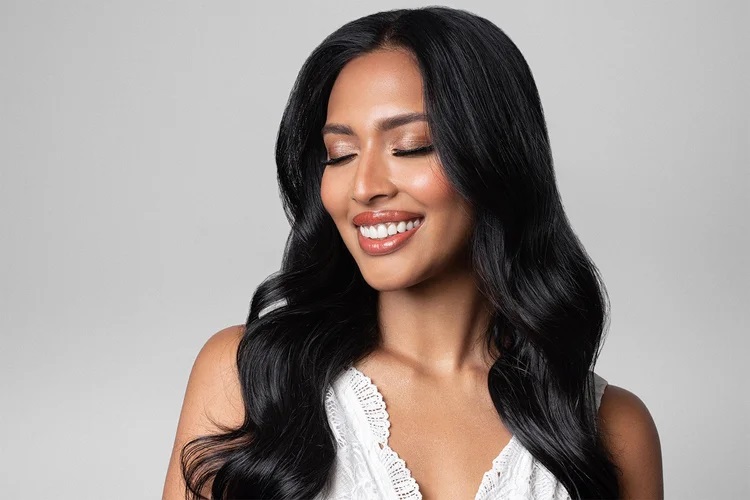
Soft Glam Techniques: Bridal makeup typically emphasizes natural enhancement rather than dramatic transformation. You’ll need to perfect techniques like light contouring, subtle highlighting, and creating dimension while maintaining a fresh, elegant appearance that photographs beautifully.
Color Theory Mastery: Understanding undertones, color matching, and how different shades interact is crucial for creating harmonious looks that complement each bride’s skin tone, eye color, and wedding color palette.
Advanced Skin Preparation: Bridal skin must be flawless for close-up photography. This requires expertise in primer selection, foundation layering, texture minimization, and creating long-lasting results that withstand tears, humidity, and hours of wear.
Eye Makeup Expertise: From classic winged liner to romantic smokey eyes, you’ll need versatility in eye techniques that enhance different eye shapes while ensuring the eyes remain the focal point in photographs.
Precision with Lashes: Whether applying individual falsies, strip lashes, or creating the perfect mascara application, lash work can make or break a bridal look.
Longevity Techniques: Learning which products and application methods ensure makeup stays fresh from morning preparations through late-night celebrations.
Timing and Efficiency
Wedding day schedules are notoriously tight. Professional bridal makeup artists must complete a full bridal face in 60-90 minutes while maintaining quality and composure. For bridal party members, you’ll need to work even faster, typically 30-45 minutes per person.
Communication and Client Management
Your ability to listen, interpret vague descriptions like “natural but glam,” diplomatically handle opinionated family members, and manage expectations determines your success as much as your technical skills. Brides need to trust you completely, and building that rapport begins with your first conversation.
Hairstyling as a Competitive Advantage
Offering both makeup and hair services significantly increases your marketability and income potential. Brides prefer hiring one artist who can create a cohesive look rather than coordinating multiple vendors. Bridal hairstyling skills, including updos, half-up styles, braiding, and working with various hair textures and extensions, make you an invaluable one-stop solution.
Step-by-Step: How to Become a Bridal Makeup Artist
Ready to turn your passion into a profession? Follow these proven steps to launch your bridal makeup career with confidence.
Step 1: Get Proper Education & Certification
While some states don’t require a cosmetology license specifically for makeup artistry, professional training is non-negotiable if you want to compete in the bridal market. Brides research their vendors extensively and prioritize educated, certified professionals.
Why Formal Training Matters:
-
Learn proper techniques from the beginning, avoiding bad habits
-
Understand hygiene standards and sanitation protocols
-
Gain knowledge about skin types, conditions, and contraindications
-
Receive structured curriculum covering color theory, face shapes, and product chemistry
-
Earn credentials that build client trust and justify premium pricing
-
Access mentorship from experienced professionals
Choosing the Right Program:
Look for comprehensive bridal makeup courses that cover both makeup and hair, offer certifications, provide real-world business training, and include portfolio development guidance. Online courses offer flexibility for working professionals or those without access to in-person training, allowing you to learn at your own pace while receiving expert feedback.
Step 2: Practice on Models and Create a Portfolio
Education provides the foundation, but hands-on practice develops your skills and builds the portfolio that attracts paying clients.
Finding Practice Models:
-
Reach out to friends, family, and colleagues
-
Post on social media offering free or discounted bridal makeup trials
-
Contact local bridal boutiques about working with brides during dress fittings
-
Collaborate with photographers who need makeup artists for styled shoots
-
Join Facebook groups or local networking events for beauty professionals
Building a Strong Portfolio:
Your portfolio should showcase diversity, different skin tones, ages, eye shapes, and bridal styles (classic, bohemian, glamorous, vintage, editorial). Include high-quality photographs with proper lighting that demonstrate your work from multiple angles. Before-and-after comparisons are particularly compelling for potential clients.
Aim for at least 15-20 complete bridal looks before you start actively marketing your services. Quality matters more than quantity, each image should represent work you’re proud to show.
Step 3: Build Your Bridal Makeup Kit
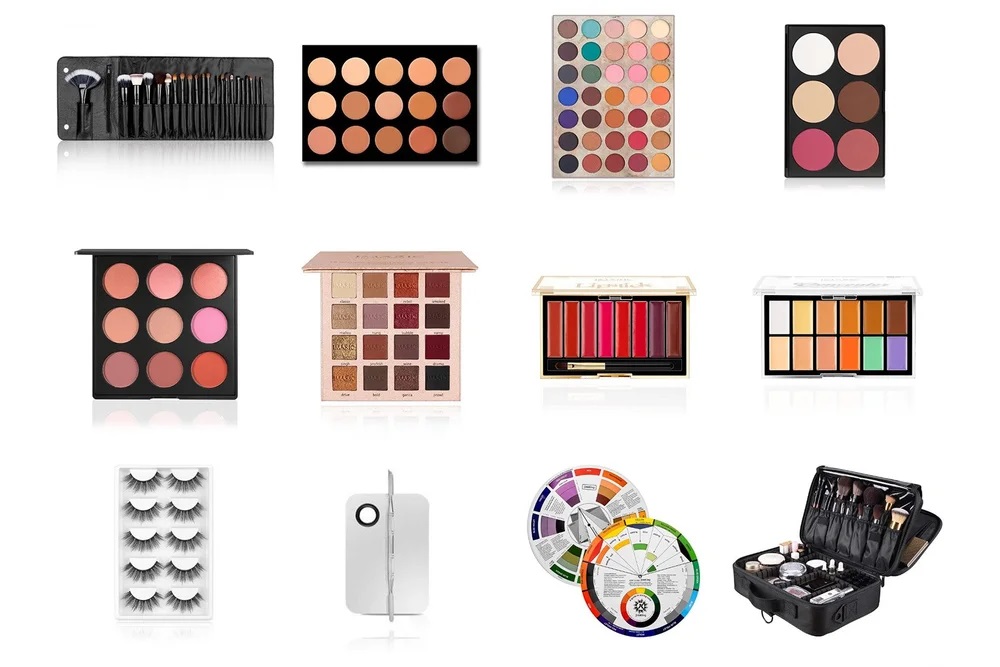
A professional bridal kit is a significant investment, typically ranging from $500 to $2,000+ depending on product quality and range. However, this investment pays for itself quickly as you book clients.
Essential Kit Components:
-
Foundations in a wide shade range (minimum 10-15 shades across undertones)
-
Color correctors and concealers
-
Setting powders (pressed and loose, translucent and tinted)
-
Contour and highlight products (cream and powder formulas)
-
Blush and bronzer selections
-
Comprehensive eyeshadow palettes (neutrals, warm, cool, and brights)
-
Eyeliners and brow products
-
Lipsticks and glosses in diverse shades
-
Setting sprays and primers for different skin types
-
False lashes in various styles
-
Professional brush sets and tools
-
Sanitation supplies (alcohol, brush cleaner, disposables)
-
Basic hair tools and products (bobby pins, hairspray, texturizing products, hot tools)
Invest in professional brands known for longevity and camera performance. Products that look beautiful in person but oxidize, separate, or fade under photography lights will damage your reputation.
Step 4: Start Freelancing and Gain Experience
With training, a portfolio, and proper tools, you’re ready to accept your first paying clients.
Starting Your Freelance Business:
-
Establish Your Brand: Create a business name, logo, and cohesive visual identity that appeals to brides
-
Set Your Pricing: Research local market rates and position yourself appropriately based on experience level
-
Create a Website: Even a simple one-page site with your portfolio, services, pricing, and contact information builds credibility
-
Leverage Social Media: Instagram is particularly powerful for makeup artists, post consistently, use relevant hashtags, and engage with local wedding communities
-
List on Bridal Directories: Join platforms like WeddingWire, The Knot, and local bridal groups where brides actively search for vendors
Gaining Experience:
Accept opportunities that build your skills and reputation, even if they don’t immediately pay what you’ll eventually charge. Each wedding provides learning experiences, testimonials, professional photos, and potential referrals. Consider offering discounted rates for your first 5-10 weddings in exchange for detailed reviews and permission to use photos in your portfolio.
Step 5: Market Yourself and Grow Your Client Base
Sustainable success requires consistent marketing efforts and exceptional client experiences that generate referrals.
Marketing Strategies:
-
Client Referrals: Your best marketing tool. Exceptional service naturally generates word-of-mouth recommendations
-
Vendor Relationships: Build connections with wedding photographers, planners, venues, and florists who can refer clients
-
Social Media Consistency: Post regularly, showing your work, process videos, and client testimonials
-
Bridal Shows: Participate in local wedding expos to meet brides face-to-face and showcase your skills
-
Targeted Advertising: Facebook and Instagram ads targeting engaged women in your area can be cost-effective
-
Email Marketing: Build a list and send newsletters with seasonal tips, special offers, and recent work
Scaling Your Business:
As you gain experience and build demand, gradually increase your rates to reflect your expertise. Consider hiring assistant artists to help with bridal parties, offering makeup lessons or masterclasses, creating online content, or developing your own product line. The most successful bridal makeup artists diversify their income streams while maintaining their core wedding business.

Featured Program: Online Makeup Academy’s Bridal Makeup & Hair Course
If you’re serious about becoming a professional bridal makeup artist, comprehensive training is your first step toward success. The Bridal Makeup & Hair Course from Online Makeup Academy offers everything you need to launch your bridal beauty career with confidence.
Why This Course Stands Out
Celebrity Instruction: Learn from accomplished bridal makeup artists based in New York City who work with high-profile clients and have mastered the art of creating camera-ready bridal beauty. You’ll gain insights from professionals who understand what brides want and what succeeds in real-world wedding scenarios.
Comprehensive Curriculum: This isn’t just a makeup course, it’s a complete bridal beauty education covering both makeup application and hairstyling techniques. You’ll master soft glam makeup, long-lasting application methods, various bridal hairstyles from classic updos to romantic waves, and how to work with different hair textures and lengths.
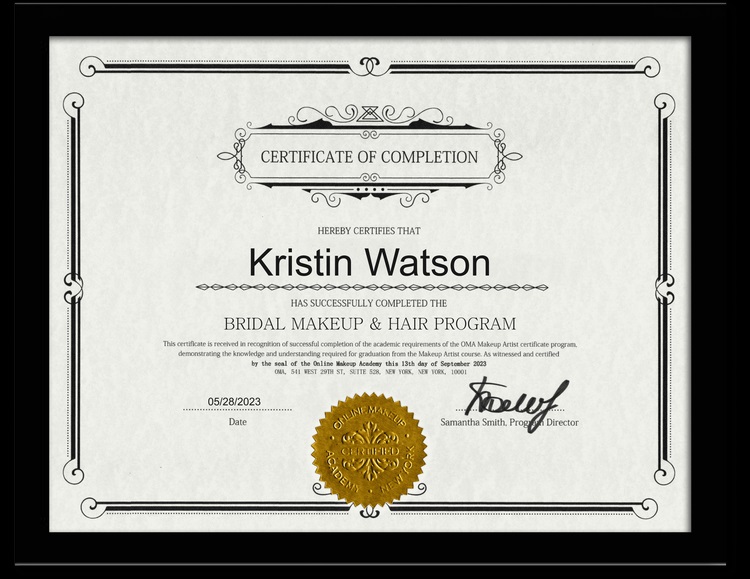
Professional Certification: Upon completion, you’ll receive a professional certification that establishes your credibility with potential clients and sets you apart from untrained competitors.
Lifetime Access: Unlike programs with expiration dates, you’ll have permanent access to all course materials, allowing you to revisit lessons, refresh your skills, and stay updated as new content is added.
Personalized Mentorship: Receive one-on-one feedback from experienced instructors who review your work, answer your questions, and provide guidance tailored to your specific goals and challenges.
Flexible Online Learning: Study from anywhere in the world, at your own pace, fitting education around your current commitments. Whether you’re transitioning careers, building skills alongside another job, or living far from major beauty schools, online learning removes barriers to professional training.
Real-World Business Training: Beyond technical skills, you’ll learn essential business practices including pricing your services, marketing yourself, managing clients, building your kit with product recommendations from professionals, and preparing for actual wedding day scenarios with time management strategies.
Portfolio Development: The course guides you through creating portfolio-ready looks that attract high-paying clients, with instruction on photographing your work and presenting yourself professionally.
This program is specifically designed to take students from beginner to professional level, providing not just education but the confidence and business knowledge to actually succeed in the competitive bridal market.
Career Paths and Income Potential
Bridal makeup artistry offers impressive earning potential and diverse career directions, making it one of the most financially rewarding beauty specializations.
Income Expectations
Entry-Level (0-2 years experience): $75-$150 per bridal makeup application. As you’re building your portfolio and reputation, pricing typically starts modest but grows quickly with experience and positive reviews.
Mid-Level (2-5 years experience): $150-$300 per bride. With an established portfolio, consistent reviews, and refined skills, you can command rates that reflect your expertise.
Experienced/Luxury (5+ years experience): $300-$500+ per bride. Top-tier bridal makeup artists in major metropolitan areas or destination wedding markets can charge premium rates, especially when offering combined makeup and hair services.
Bridal Party Services: Additional revenue comes from servicing bridesmaids ($50-$150 each) and mothers ($75-$150 each), meaning a single wedding can generate $500-$2,000+ in total income.
Destination Weddings: Luxury destination weddings command premium rates ($500-$1,500+ per bride) and often include travel expenses, accommodations, and multi-day service fees.
Many successful bridal makeup artists work 20-30 weddings per year while maintaining other income streams, generating $30,000-$100,000+ annually from bridal services alone. Those who focus exclusively on high-end or destination weddings can exceed six-figure incomes.
Career Expansion Opportunities
Editorial Bridal Work: Contributing to wedding magazines, blogs, and styled shoots expands your visibility and positions you as an industry expert.
Brand Collaborations: As your following grows, beauty brands may partner with you for product promotion, sponsored content, or ambassador programs.
Education: Teaching workshops, creating online courses, or offering one-on-one mentoring provides additional income while establishing thought leadership.
Salon Partnerships: Collaborating with bridal salons or becoming their exclusive makeup artist provides steady bookings and client referrals.
Celebrity and High-Profile Clientele: Building a strong reputation can lead to opportunities with celebrities, influencers, or notable public figures whose weddings generate significant exposure.
Product Development: Experienced artists sometimes launch their own product lines, leveraging their expertise and following.
The beauty of bridal makeup artistry is its scalability, you can maintain a small, selective clientele working part-time, or build a full-scale business with multiple artists working under your brand.

Frequently Asked Questions
How long does it take to become a bridal makeup artist?
The timeline varies based on your starting point and how quickly you can practice and build your portfolio. With focused effort, you can complete a comprehensive bridal makeup course in 2-6 months, spend 3-6 months practicing and building your portfolio, and start accepting paying clients within 6-12 months of beginning your education. However, developing the expertise and reputation to command premium rates typically takes 2-5 years of consistent work.
Do I need a license to do bridal makeup?
Licensing requirements vary significantly by location. In the United States, some states require a cosmetology or esthetics license for professional makeup artistry, while others have no specific licensing requirements for makeup artists who don’t perform services like facials or chemical peels. Check your state’s cosmetology board regulations to understand local requirements. Even where not legally required, professional certification from a reputable program builds credibility and client trust.
Can I learn bridal makeup online?
Absolutely! Online bridal makeup courses have become highly effective alternatives to in-person training, especially when they include video demonstrations, personalized feedback, and comprehensive curriculum. The key is choosing a quality program with experienced instructors, structured lessons, and opportunities for instructor review of your work. Online learning offers advantages including flexibility, affordability, lifetime access to materials, and the ability to learn from top professionals regardless of geographic location.
What’s the difference between bridal makeup and regular makeup?
Bridal makeup requires specific techniques to ensure longevity (12+ hours of wear), photograph beautifully under various lighting conditions, withstand tears and emotion, look flawless from multiple angles, and enhance rather than dramatically change the bride’s appearance. Bridal looks typically emphasize timeless beauty over trendy styles, use higher-quality, longer-lasting products, and require more precise application with attention to details that cameras capture but might go unnoticed in person.
How much should I invest in my bridal makeup kit initially?
A professional starter kit typically costs $500-$1,500. While this seems significant, view it as a business investment that pays for itself after just 3-5 clients. You don’t need every product immediately, start with essential items covering a range of skin tones and build your collection as you book clients and earn income. Many courses provide specific product recommendations to help you invest wisely.
What’s the best way to find my first bridal clients?
Start with your personal network, announce your new services to friends and family who might be planning weddings or know someone who is. Offer discounted rates for your first few brides in exchange for testimonials, reviews, and permission to photograph and share their looks. Join local Facebook groups for brides, list your services on wedding directories, connect with wedding photographers who might need makeup artists for styled shoots, and consistently post your work on Instagram with relevant local hashtags.
Start Your Bridal Makeup Journey Today
The path to becoming a successful bridal makeup artist is clearer than ever before. With proper training, dedicated practice, and strategic business development, you can build a rewarding career that combines creativity, flexibility, and the joy of making brides feel beautiful on their special day.
Success as a bridal makeup artist starts with investing in quality education that provides both technical skills and business knowledge. The right training program doesn’t just teach you how to apply makeup, it prepares you for real-world scenarios, builds your confidence, and provides credentials that attract clients willing to pay professional rates.
Whether you’re starting from scratch, transitioning from another beauty specialty, or looking to add bridal services to your existing skills, comprehensive training is the foundation of every successful bridal makeup career.
Ready to start your bridal makeup journey? Enroll in the Bridal Makeup & Hair Course today and become a certified bridal makeup artist with the Online Makeup Academy. Learn from celebrity artists, master both makeup and hair techniques, and gain the confidence and credentials to launch your dream career.