

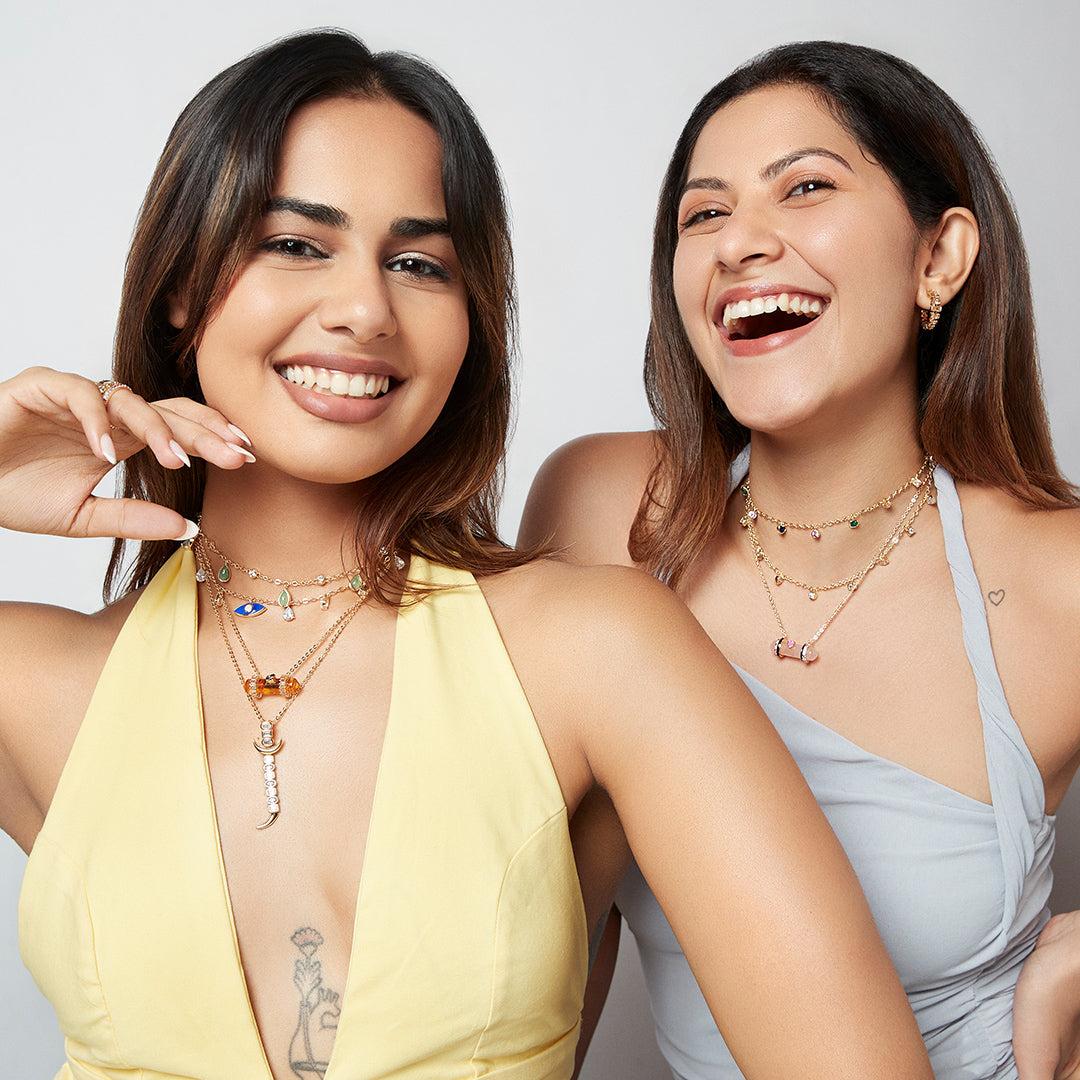
Jewelry is one of the easiest ways to enhance personal style without changing your entire wardrobe. For beginners, however, choosing the right pieces and learning how to style them can feel overwhelming. With so many options available, it helps to understand a few practical guidelines that make jewelry styling simple and effective.
The good news is that jewelry does not require expert knowledge or expensive purchases to look polished. By learning how to balance proportions, match metals thoughtfully, and build a versatile starter collection, anyone can develop confidence in accessorizing. This guide explains essential jewelry fashion tips designed specifically for beginners who want to improve their everyday style with ease.
Why Jewelry Matters in Personal Style
Jewelry adds structure and intention to an outfit. Even simple clothing can appear refined when paired with the right accessories. Beginners often underestimate how much impact small details can make.
Jewelry helps you:
- Express personality without changing clothing
- Highlight facial features and body proportions
- Create visual balance in outfits
- Transition looks from casual to formal
- Build a recognizable personal style identity
Instead of treating jewelry as optional decoration, think of it as a finishing touch that completes your overall appearance.
Start with a Simple Jewelry Foundation
Before experimenting with statement pieces, beginners should focus on building a small collection of reliable essentials. These foundational items work with most outfits and occasions.
A strong starter collection typically includes:
- A pair of small stud earrings
- A lightweight chain necklace
- A simple bracelet or bangle
- A neutral ring for everyday wear
- A versatile pair of hoop earrings
These pieces create flexibility and allow you to practice styling without feeling overwhelmed by too many choices.
Understand the Difference Between Everyday and Statement Jewelry
One common mistake beginners make is wearing statement jewelry too frequently or combining multiple bold pieces at once. Knowing when to choose subtle accessories versus standout pieces improves styling instantly.
Everyday jewelry usually includes:
- Thin chains
- Stud earrings
- Slim rings
- Minimal bracelets
Statement jewelry includes:
- Chunky necklaces
- Large hoop earrings
- Bold cuffs
- Oversized rings
Beginners benefit from wearing one statement piece at a time while keeping other accessories simple.
Choose Jewelry That Matches Your Outfit Neckline
Necklines influence how necklaces appear. Selecting the right necklace length improves balance and prevents clutter around the upper body.
Helpful matching strategies include:
- Crew neck tops work well with shorter chains
- V-necklines pair best with pendant necklaces
- Button-down shirts suit layered necklaces
- Strapless styles highlight chokers
- High necklines look better without heavy necklaces
Understanding this relationship helps beginners create cleaner, more intentional outfits.
Learn How to Layer Jewelry Correctly
Layering jewelry is one of the most popular styling techniques today. When done properly, it adds depth without looking excessive.
Start with these layering tips:
- Combine different chain lengths
- Mix textures rather than identical pieces
- Keep metal tones consistent at first
- Limit layers to two or three items initially
- Maintain spacing between necklaces
Beginners should practice subtle layering before attempting more complex combinations.
Pick Jewelry That Complements Your Skin Tone
Jewelry looks different depending on skin undertones. Choosing metals that complement your natural tone enhances overall appearance.
General guidelines include:
- Gold jewelry flatters warm undertones
- Silver jewelry suits cool undertones
- Rose gold works well with neutral undertones
If unsure about undertones, try both metals and observe which creates a brighter appearance near your face.
Balance Jewelry with Your Outfit Style
Jewelry should support your clothing rather than compete with it. Beginners often improve their styling by matching accessories with outfit mood.
Examples include:
- Minimal jewelry with business attire
- Playful pieces with casual outfits
- Elegant designs with evening wear
- Structured accessories with tailored clothing
- Relaxed bracelets with weekend looks
This approach creates harmony across your entire appearance.
Focus on One Area at a Time
Instead of wearing bold pieces everywhere, highlight one area of the body. This keeps your outfit polished rather than overwhelming.
Common focus areas include:
- Statement earrings with simple necklaces
- Bold rings with neutral bracelets
- Layered necklaces with minimal earrings
- Chunky bracelets with clean sleeves
Choosing a single focal point helps beginners maintain balance while still expressing creativity.
Invest in Quality Basics Before Trend Pieces
Trendy jewelry can be exciting, but beginners benefit more from purchasing timeless essentials first. These pieces remain useful across seasons and styling changes.
Reliable investment pieces include:
- Medium-sized hoop earrings
- Classic pendant necklaces
- Neutral-tone rings
- Slim bangles
- Pearl or simple gemstone studs
Once you have these basics, experimenting with trends becomes easier and more effective.
Understand How Jewelry Changes with Occasions
Different environments call for different accessory choices. Learning how to adjust jewelry for each situation improves overall style awareness.
For example:
Work settings usually require subtle accessories
Social gatherings allow moderate layering
Formal events support elegant statement pieces
Outdoor activities benefit from lightweight jewelry
Travel days favor practical and secure accessories
Recognizing these differences helps beginners avoid overdressing or under-accessorizing.
Mix Metals with Confidence
Many beginners believe mixing metals is not allowed. Modern styling encourages combining gold and silver thoughtfully.
Helpful mixing techniques include:
- Wearing layered necklaces in two metal tones
- Combining stacked rings with varied finishes
- Choosing watches that include mixed metal elements
- Using neutral clothing to balance metal contrast
Start with small combinations before building more noticeable mixes.
Choose Jewelry Based on Face Shape
Jewelry can highlight facial structure when selected carefully. Earrings in particular influence how your face appears.
Simple pairing suggestions include:
Round faces benefit from longer earrings
Oval faces suit most shapes
Square faces pair well with curved designs
Heart-shaped faces balance with teardrop earrings
Long faces benefit from wider styles
Selecting earrings based on face shape improves visual harmony.
Keep Jewelry Proportional to Your Frame
Scale plays an important role in styling success. Jewelry should complement body proportions rather than overpower them.
For example:
Petite frames suit delicate pieces
Taller frames support longer necklaces
Slim wrists pair well with thin bracelets
Broader shoulders balance larger accessories
Understanding proportion helps beginners create comfortable and flattering combinations.
Maintain Jewelry Properly for Long-Term Use
Caring for jewelry ensures it stays attractive and wearable over time. Beginners often overlook maintenance, which shortens accessory lifespan.
Helpful maintenance habits include:
- Storing jewelry separately to prevent scratches
- Removing pieces before exercising
- Avoiding exposure to perfumes and chemicals
- Cleaning jewelry regularly with soft cloths
- Keeping chains untangled in storage organizers
Good maintenance protects both appearance and value.
Develop a Personal Jewelry Routine
Creating a simple daily routine makes accessorizing easier and more consistent. Over time, this builds confidence in styling decisions.
A helpful routine might include:
Selecting earrings first
Adding one necklace suited to the neckline
Choosing one ring or bracelet
Checking overall balance before leaving home
This approach reduces decision fatigue while improving styling results.
Avoid Common Beginner Jewelry Mistakes
Many beginners make small mistakes that reduce the impact of their accessories. Avoiding these errors improves styling quickly.
Common mistakes include:
Wearing too many statement pieces together
Ignoring outfit neckline compatibility
Choosing uncomfortable jewelry
Mixing too many styles at once
Forgetting proportion and balance
Correcting these habits leads to a more refined appearance.
Build Confidence Through Experimentation
Jewelry styling improves with practice. Trying different combinations helps beginners understand what works best for their preferences and lifestyle.
Experiment by:
Layering necklaces gradually
Switching between metals
Testing ring combinations
Exploring different earring shapes
Matching jewelry with seasonal outfits
Confidence develops naturally through experience rather than strict rules.
Conclusion
Jewelry styling does not require expensive purchases or advanced fashion knowledge. Beginners can improve their appearance significantly by understanding balance, proportion, layering techniques, and occasion-appropriate choices.
Starting with essential pieces and gradually experimenting with new combinations helps build confidence over time. Jewelry becomes most effective when it reflects personality while supporting the overall outfit.
With thoughtful selection and consistent practice, anyone can create a polished and expressive jewelry style that enhances everyday living.
Frequently Asked Questions
How many jewelry pieces should beginners wear at once
Beginners usually benefit from wearing two to four pieces at a time to maintain balance without overwhelming their outfit.
Is it necessary to match jewelry with clothing colors
Matching is not required. Neutral metals like gold and silver work with most colors, but coordinating tones can create a more cohesive appearance.
Can beginners wear layered rings on multiple fingers
Yes. Start with two or three rings across different fingers to keep the look intentional rather than crowded.
Should jewelry match shoes or handbags
Matching accessories can create a coordinated look, but modern styling allows flexibility. Focus more on overall harmony than exact matching.
Are pearls suitable for everyday outfits
Yes. Small pearl earrings or simple pearl pendants work well with both casual and professional clothing.
How can beginners choose comfortable jewelry for daily wear
Look for lightweight materials, smooth finishes, and secure closures to ensure comfort throughout the day.
What type of jewelry works best for travel
Minimal pieces such as stud earrings, simple chains, and durable bracelets are practical choices for travel because they are easy to manage and secure.